At-Home Oral Hygiene Tips from a General Dentist
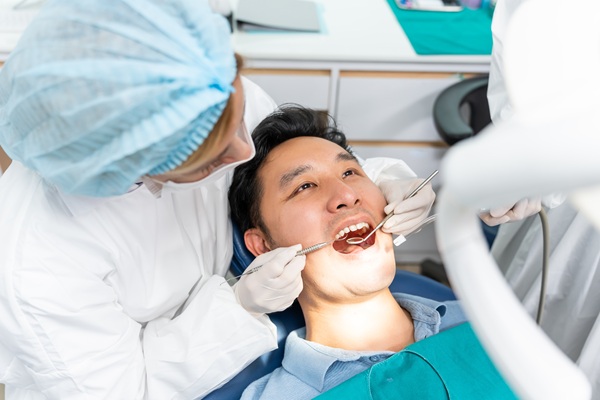
General dentists' guidance on daily home care can support healthier teeth, fresher breath, and more consistent gum comfort between visits. Many oral health concerns begin with small habits that drift over time. A general dentist's approach focuses on simple routines that fit real schedules and protect both enamel and gum tissue.
Build a consistent brushing routine
Brushing twice daily supports plaque control and helps reduce cavity risk. A soft-bristled toothbrush and gentle pressure protect enamel and reduce gum irritation. The brush should be angled toward the gumline to ensure thorough plaque removal along the areas where buildup tends to accumulate.
Timing matters as much as technique. Two minutes is sufficient to cover all tooth surfaces, including the posterior molars, where chewing grooves trap debris. A general dentist often recommends replacing a toothbrush or brush head every three months, or sooner when bristles fray.
Clean between teeth every day
Toothbrush bristles do not reach tight contacts between teeth. Floss, interdental brushes, or water flossers can remove plaque from these spaces and help reduce gum inflammation. The best option is the one that can be used consistently and comfortably.
Floss should slide gently under the gumline and wrap around each tooth in a C-shape. Interdental brushes can work well for wider spaces or around bridges. A general dentist can recommend the appropriate size and tool based on spacing and gum health during a routine examination.
Support enamel with smarter choices
Enamel is constantly exposed to acids, sugars, and frequent snacking. Water intake helps rinse the mouth and supports saliva, which naturally balances acids. When possible, sugary drinks should be limited to mealtimes rather than consumed steadily throughout the day.
After acidic foods or beverages, enamel can soften briefly. Brushing immediately after those exposures can increase wear for some patients. A general dentist often recommends rinsing with water first and waiting briefly before brushing when the mouth is highly acidic.
Make mouthwash work for the routine
Mouthwash can support home care when it fits the right need. Fluoride rinses can strengthen enamel, whereas antibacterial rinses can reduce gum irritation in patients with early gingivitis. Product choice should align with the goal and avoid unnecessary harshness that can dry tissues.
A general dentist can recommend options that align with age, sensitivity, and any history of dry mouth. For many patients, mouthwash supports brushing and flossing but does not replace them.
Quick habits that protect gums and breath
Small adjustments can improve comfort and reduce buildup in hard-to-reach areas. These habits often support patients who struggle with bleeding gums or persistent bad breath.
- Brush the tongue gently to reduce odor-causing bacteria
- Clean aligners, retainers, or night guards daily to minimize biofilm accumulation
- Use a nighttime routine that includes flossing, not only morning brushing
Schedule your appointment today
General dentists' recommendations for at-home care emphasize consistency, gentle technique, and daily cleaning between teeth. When these habits remain consistent, gums often appear healthier, and enamel is better protected from cavities. Regular dental visits can refine technique and confirm that home routines match current oral health needs. For more information or to schedule an appointment, call our office.
To schedule a consultation, please request an appointment on our website at https://moddentist.com or call MOD Dentist at (281) 270-0140 to arrange an appointment at our Brookshire office.
Check out what others are saying about our dental services on Yelp: General Dentist in Brookshire, TX.
Related Posts
Routine dental cleanings help maintain the health of your teeth and gums by removing plaque and tartar buildup. However, practicing good oral hygiene at home is essential to prevent oral health issues between visits. Taking proper care of your teeth daily ensures a bright, healthy smile over time.Brushing teeth at least twice daily helps keep…
Waiting until a toothache or other oral health problem is unbearable to seek care often means missing out on the least painful, most cost-effective treatment. A preventive dentist can both catch and treat issues early. And in the best cases, they can stop them from developing in the first place. With the help of these…
Dental health requires routine care and, at times, immediate attention. While a general dentist provides preventive and restorative treatments, an emergency dentist can address urgent dental issues. Understanding the differences between these practitioners can help you get the care you need based on your unique needs and situation.A general dentist focuses on overall oral health,…
Seeking an emergency dentist immediately after a dental injury can help prevent further complications and ensure proper treatment. Whether a tooth is chipped, cracked, or knocked out, taking the right precautions is essential for preserving oral health. However, some actions can worsen the damage or delay healing. To protect the teeth and avoid additional harm,…